
A Simple Way to Shield Your Vehicle From Damage
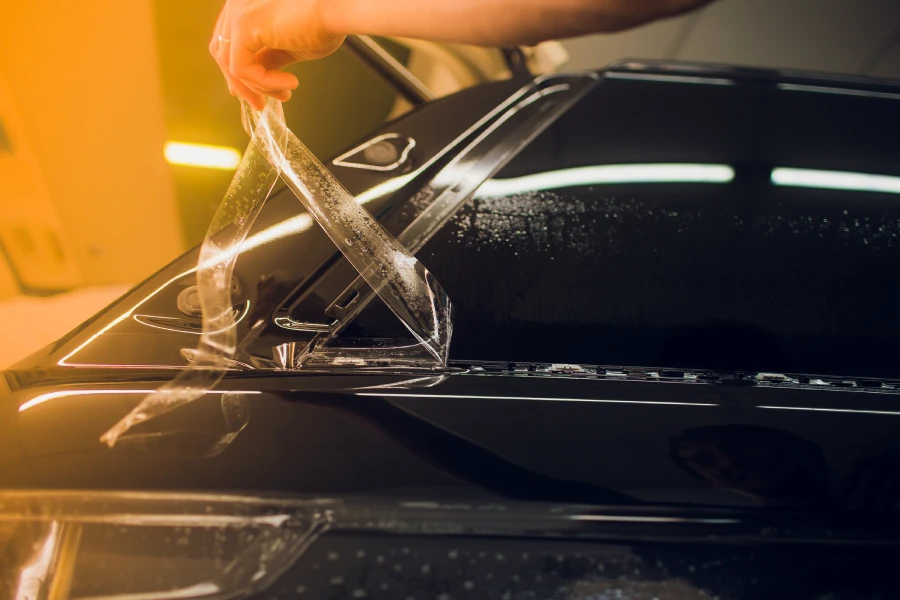
Car wrapping protects your vehicle by adding a thin but strong vinyl layer over the paint and, in some cases, over window glass. This layer acts like a shield. It blocks sun damage, road debris, dirt, and small scratches. Instead of your original paint or glass taking the hit, the wrap does. When the wrap wears out, it can be removed and replaced, leaving the surface underneath in much better shape.
What You Need Before Getting Started
Before applying a wrap, the vehicle must be clean and dry. Dirt trapped under vinyl can cause bumps and peeling. The surface should also be smooth. Chips and rust spots may show through the wrap.
Here is what is usually needed:
- A full exterior wash and dry
- Paint correction for scratches or swirl marks
- Professional-grade vinyl material
- Proper tools for smoothing and trimming
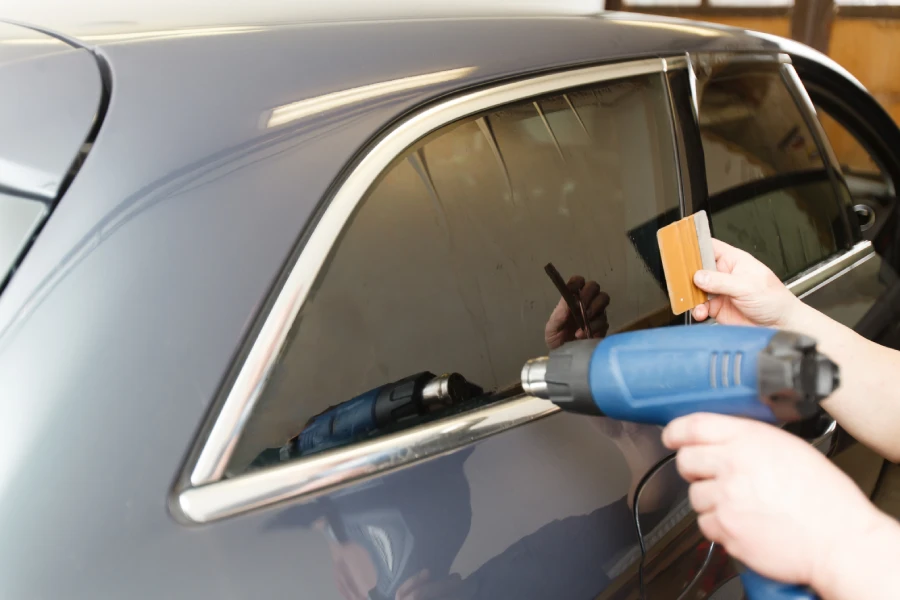
Some drivers also choose window film to protect glass from UV rays and light impacts. This falls under auto restyling and protection services, which often includes wraps, tint, and surface protection options.
Step-by-Step: How Car Wrapping Protects Paint and Windows
The process is careful and detailed. Each step helps the wrap bond securely and provide full coverage.
- Surface prep: The vehicle is washed, dried, and wiped with a special cleaner to remove oils.
- Paint inspection: Any dents, chips, or rust are addressed before vinyl is applied.
- Vinyl alignment: Large sheets of vinyl are measured and placed over panels.
- Smoothing and sealing: Technicians use soft tools and heat to remove air bubbles and seal edges.
- Edge protection: Edges are tucked and trimmed to prevent lifting over time.
Once installed, the vinyl layer becomes the first line of defense. Rocks, sand, and minor scrapes hit the wrap instead of the paint. UV rays from the sun fade the vinyl, not the factory finish. For windows, protective films help reduce glare, block UV light, and add a light layer of shatter resistance.
Common Mistakes to Avoid
Many problems happen when car wrapping is rushed or done without proper tools.
- Applying vinyl over dirty paint
- Stretching material too thin around curves
- Ignoring small paint chips before installation
- Using low-quality vinyl that cracks early
Another mistake is skipping window prep. Glass must be cleaned fully before adding protective film. Even tiny dust particles can cause bubbling.
Improper installation can lead to peeling edges or trapped moisture. That weakens the protective benefits and may damage the surface underneath.
When to Call a Professional
Small decals are one thing. Full vehicle wraps are another. Large panels require skill and heat control to avoid wrinkles and stretch marks.
You should contact a professional if:
- You want full paint coverage
- Your vehicle has curves and complex body lines
- You want window protection film installed
- You care about long-term durability
Professionals know how to prep surfaces and apply vinyl without harming factory paint. They also use better materials that last longer and resist fading.
Our Final Recommendation
If you want to protect your vehicle from daily wear, car wrapping is a smart solution. It keeps paint looking new and shields windows from sun damage and minor impacts. Drivers in Tracy, CA deal with heat, road debris, and changing weather that can wear down a vehicle’s exterior over time. Our team at Dragon Glass and Doors installs high-quality wraps and protective films designed to guard your car for years. Call us at (510) 319-7671 to schedule a consultation and let us help you protect your investment the right way.